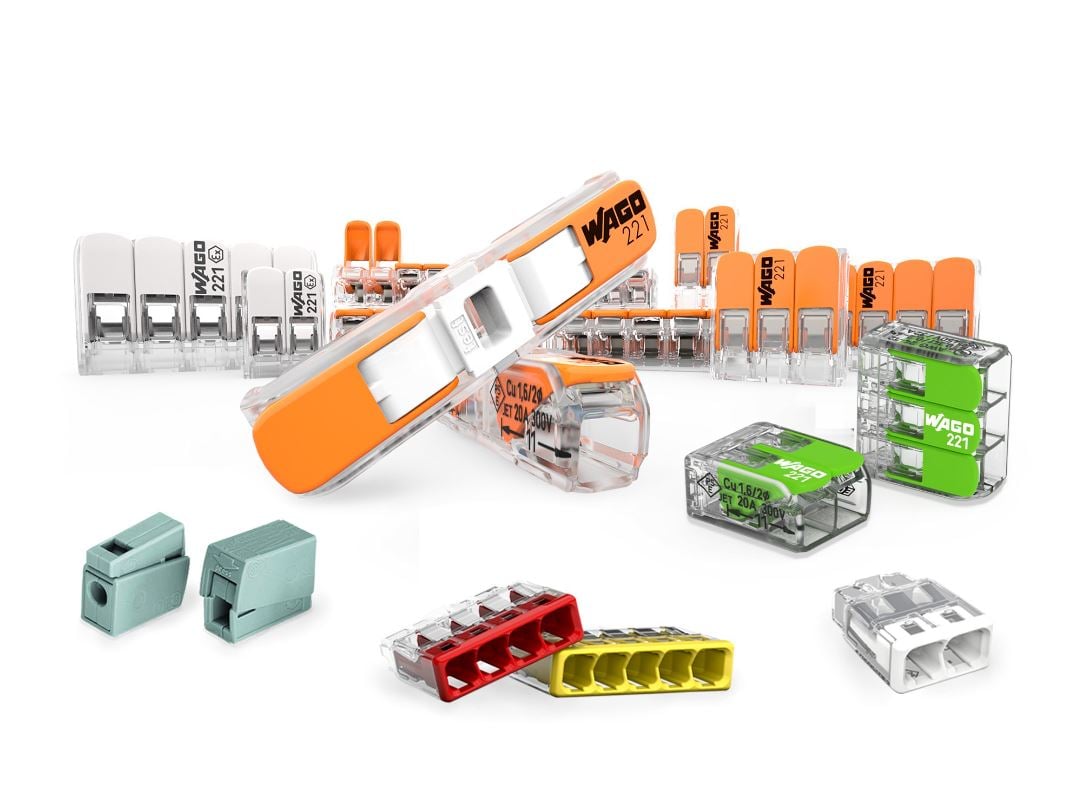
#10 AWG Wago Connectors: Enhancing Performance and Ease in Electrical Installations
In the dynamic world of electrical installations, where safety, reliability, and efficiency are paramount, the choice of connectors plays a crucial role. For circuits requiring higher gauge wiring, such as #10 AWG, traditional connection methods have long dominated. However, the introduction and evolution of Wago's #10 AWG lever-nut connectors have presented a significant alternative, promising enhanced performance and streamlined installation. These versatile connectors offer a compelling solution for various applications, from robust photovoltaic (PV) systems to the intricate demands of a modern
wago smarthome infrastructure.
This article delves into the capabilities of #10 AWG Wago connectors, examining their performance characteristics, optimal use cases, and how they stack up against conventional methods. We'll explore their benefits, potential limitations, and provide insights for electrical professionals and DIY enthusiasts alike looking to leverage these innovative tools.
The Rise of #10 AWG Wago Lever-Nuts: A Game Changer?
For decades, wire nuts have been the go-to choice for splicing wires in junction boxes. While effective when applied correctly, achieving a consistently perfect connection, especially with larger gauges like #10 AWG, often requires significant skill and effort. The physical twisting, the need for proper pre-twisting, and the possibility of human error have long been points of concern for electricians striving for maximum reliability.
Enter Wago's #10 AWG lever-nut connectors. These ingenious devices, often referred to simply as "lever-nuts," represent a departure from traditional methods. Designed for ease of use, they allow for quick, tool-free connections: simply strip the wire, lift the lever, insert the conductor, and snap the lever shut. This intuitive design has earned them a reputation as a potential "game changer," particularly in scenarios where speed and consistency are vital. For professionals working on large projects, or even enthusiasts building out their
wago smarthome, the time savings and reduced fatigue are undeniable. The visible connection point also offers an immediate visual confirmation of proper insertion, a significant advantage over opaque wire nuts.
The availability of Wago connectors specifically rated for #10 AWG wires addresses a critical need, as this gauge is common in many higher-current applications, including dedicated appliance circuits, outdoor lighting, and of course, renewable energy systems.
Performance Under Pressure: Wago #10 AWG vs. Traditional Methods
When considering any new electrical component, performance and safety are top priorities. A common point of discussion revolves around the electrical properties of Wago connectors compared to well-installed wire nuts, particularly regarding heat dissipation and resistance.
Studies and comparisons often reveal that brand-name Wago lever-nuts perform very similarly to, and in some cases are just as good as, a properly pre-twisted wire nut. While some tests might show slightly higher I²R (resistive) losses with Wagos, this difference is typically marginal and often only becomes discernible when pumping extremely high amperages (e.g., 50 amps through 14 AWG wire), far exceeding typical loads for most #10 AWG circuits. In practical, real-world applications, the difference in heat rise or power loss is unlikely to be a significant factor for the vast majority of installations.
However, a critical distinction must be made: the quality of the connector. The market is flooded with knock-off lever-style connectors that mimic Wago's design but often fail to meet the same stringent safety and performance standards. When it comes to electrical connections, compromising on quality is never an option.
Always insist on genuine, brand-name Wago products to ensure you're getting tested and certified performance.
For those interested in a deeper dive into the comparative analysis, you might find valuable insights in this related article:
Wago #10 AWG vs. Wire Nuts: The Best Choice for PV Systems. Understanding these nuances is crucial for making informed decisions, especially when designing robust systems for a
wago smarthome or high-demand commercial installations.
Specific Applications and Considerations for #10 AWG Wago Connectors
The versatility of #10 AWG Wago connectors makes them suitable for a broad range of electrical installations, but certain applications require careful consideration.
Photovoltaic (PV) Systems
One of the most frequently discussed applications for #10 AWG Wago connectors is in photovoltaic (solar) installations. PV systems often utilize #10 AWG wiring, and connections are frequently made in junction boxes on rooftops, exposed to harsh environmental conditions. The ease of use and consistent connection quality of Wago levers are highly attractive here.
However, the specific demands of PV circuits – high ampacities, prolonged operation, and exposure to elevated temperatures for many hours a day – lead some professionals to advocate for the most "bulletproof" hardware available. Some electricians have expressed reservations about using Wagos in these extreme environments, preferring robust screw terminal connectors rated for up to 60A, which have a long track record of reliability in such conditions.
Another practical challenge encountered with PV wire (often RHW-2 or PV Wire) is its thicker insulation compared to, say, THWN. This thicker insulation can sometimes make it difficult to fit the wire into the connector throat, a minor but important consideration during installation. While Wagos are "good enough" for many PV applications, especially lighter-loaded circuits, for the most demanding, high-amperage PV circuits, the industry still sees a split in preference, emphasizing careful evaluation of environmental factors and load profiles.
For a more detailed discussion on safety for high-load PV circuits, consult this resource:
Are #10 AWG Wago Lever-Nuts Safe for High-Load PV Circuits?
High-Load Appliances
Similar to PV systems, circuits for high-load appliances like water heaters and electric dryers, which often operate at or near their maximum amperage for extended periods, also warrant cautious consideration. While #10 AWG Wago connectors are rated for these loads, some electricians express a preference for traditional screw terminals or dedicated methods due to historical precedent and the high-stakes nature of these connections. Nevertheless, for many installations that adhere to proper sizing and load calculations, #10 AWG Wagos can offer a safe and reliable connection point, especially given their consistent clamping force.
General Electrical Circuits and Smart Homes
For general lighting circuits that are not heavily loaded, #10 AWG Wago connectors are an excellent choice. Their speed and reliability make them ideal for residential and commercial wiring where consistency and quick installation are priorities.
Crucially, in the rapidly expanding world of the
wago smarthome, these connectors play a pivotal role. Smart homes are increasingly integrating high-power devices, dedicated smart appliance circuits (e.g., smart ovens, EV chargers), and advanced control panels that may require #10 AWG wiring. The ease of use, inspectability, and consistent, vibration-proof connection of Wago lever-nuts ensure a robust and future-proof electrical foundation for any smart home ecosystem. When upgrading or expanding a smart home, the ability to quickly and reliably add or modify connections without specialized tools becomes a significant advantage, reducing installation time and minimizing potential errors.
Best Practices and Expert Insights for Using #10 AWG Wago Connectors
To maximize the benefits and ensure the safety of #10 AWG Wago connectors, adhere to these best practices:
- Choose Genuine Wago: Always purchase authentic Wago brand connectors. Avoid generic or unbranded imitations, as their performance and safety cannot be guaranteed.
- Proper Wire Preparation: Ensure wires are stripped to the correct length as indicated by the connector (typically 9-11mm for Wago 221 series). A clean, straight cut is essential for optimal contact.
- Secure Insertion: Fully insert the conductor into the connector and ensure the lever is snapped completely shut. The clear housing of Wago 221 series allows for visual inspection to confirm proper conductor insertion.
- Respect Ratings: Never exceed the voltage and amperage ratings of the connector. Always match the connector to the wire gauge and circuit requirements.
- Environmental Considerations: While Wagos are robust, consider the overall enclosure and environment. For extremely hot or vibrating conditions, evaluate if additional measures or alternative connectors might be warranted, as some professionals opt for screw terminals in such extreme scenarios.
- Mitigating the "Hack" Factor: One of Wago's often-overlooked benefits is its ability to reduce reliance on installer skill for consistent connections. Unlike wire nuts, which require precise technique, Wagos provide a more uniform and repeatable connection, reducing the likelihood of poor workmanship.
In conclusion, #10 AWG Wago connectors offer a compelling blend of innovation, performance, and user-friendliness for modern electrical installations. While they have proven their worth in various applications, including general wiring and the foundation of a reliable
wago smarthome, a judicious approach is warranted for extremely demanding environments like high-amperage, continuously loaded PV circuits. By understanding their strengths, acknowledging potential limitations, and adhering to best practices, electricians and enthusiasts can confidently integrate these advanced connectors to achieve safer, more efficient, and robust electrical systems.